

 0
0
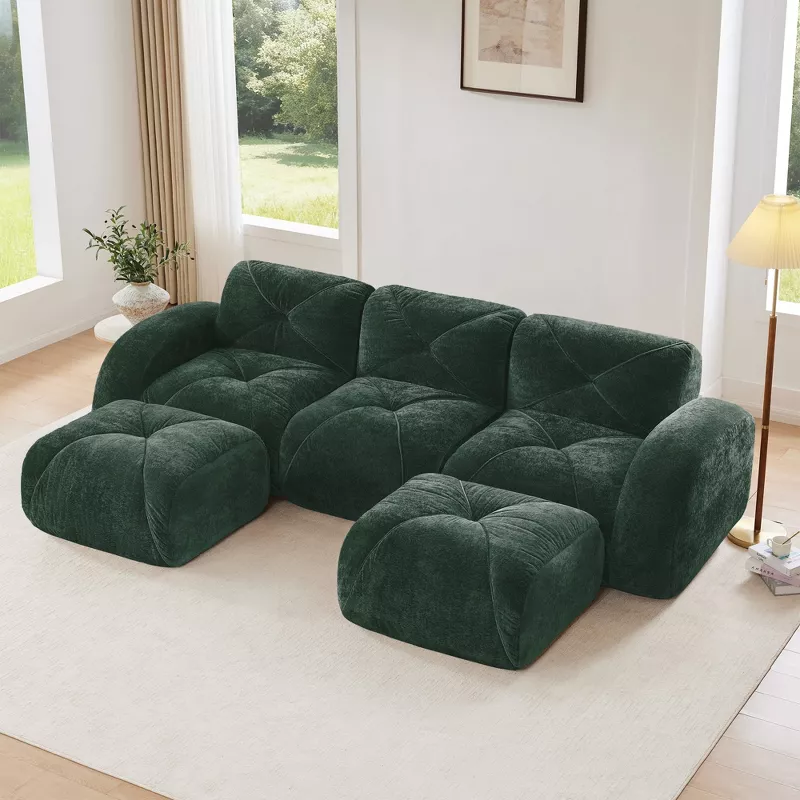
A New Generation of Compression Sofas: Space-Saving Magic
Imagine this: you walk into a box that’s barely the size of a carry-on suitcase, open it, and within minutes, a full-sized, plush sofa unfurls before your eyes. It sounds like science fiction, but it’s the reality of a new generation of compression sofas. These innovative pieces are solving one of the biggest challenges modern homeowners face: how to furnish multi-functional spaces without sacrificing comfort or aesthetics. Whether you’re a renter in a tiny studio, a first-time homeowner with an open-concept floor plan, or someone who loves hosting guests but lacks a spare room, compression sofas offer a transformative solution. In this comprehensive guide, we’ll explore everything you need to know about this emerging furniture trend—from how they work and why they’re a game-changer for small spaces to practical tips for choosing the perfect one for your home.
What Exactly Are Compression Sofas?
Compression sofas, also known as vacuum-packed or compressed furniture, are designed to be shipped in a highly compact form. The concept isn’t entirely new—mattresses have been using compression technology for years—but applying it to sofas is a revolutionary step forward. Manufacturers compress the sofa’s foam and fabric under extreme pressure, remove the air, and seal it in a flat box. When you unbox it, the material expands to its full shape within hours or even minutes. The result? A fully functional, comfortable sofa that can be delivered to your doorstep with minimal shipping hassle and dramatically reduced packaging waste.
This new generation of compression sofas takes the concept even further by incorporating modular designs, high-density memory foam, and user-friendly assembly systems. Many models require no tools at all—just a few simple steps to attach legs or unfold sections. Some even integrate storage compartments or convertible sleeper features, maximizing every square inch of your living space. In essence, these sofas are engineered for the modern lifestyle: flexible, sustainable, and surprisingly luxurious.
Why Compression Sofas Are a Perfect Fit for Small Spaces
The primary appeal of a new generation of compression sofas lies in their space-saving genius. Traditional sofas are bulky, heavy, and often impossible to maneuver into tight apartments or narrow stairwells. With a compressed sofa, the delivery box can slide through any standard doorway, and the entire setup can be done by one person. This is a game-changer for urban dwellers who frequently move or want to reconfigure their rooms without hiring movers.
Moreover, many compression sofas are designed to be modular—you can start with a two-seater and later add ottomans, chaise sections, or armless chairs as your needs grow. This adaptability means you’re not locked into a fixed layout. You can reconfigure your living space for movie nights, yoga sessions, or impromptu guest sleepovers. The lightweight construction also makes it easy to relocate the sofa from room to room, giving you the freedom to create a cozy reading nook in your bedroom or a casual seating area in your home office.
How Compression Technology Works
Understanding the underlying technology helps you appreciate the engineering behind these sofas. The core component is a specially formulated polyurethane foam that can be compressed to a fraction of its original volume without losing its shape or resilience. During manufacturing, the foam is placed in a vacuum chamber where air is extracted, reducing its size by up to 80 percent. The compressed foam is then wrapped tightly in a durable plastic film, often reinforced with a secondary barrier to prevent punctures during shipping.
Once you open the vacuum seal, the foam begins to absorb air and expand. The expansion process can take anywhere from a few seconds to several hours, depending on the foam density and room temperature. We recommend placing the sofa in its intended location before cutting the seal, as it will be impossible to move once fully expanded. Most manufacturers suggest waiting 24 to 48 hours for the foam to reach its maximum comfort level, though the sofa is typically usable after just a few hours.
Key Advantages of the New Generation Compression Sofas
Compared to earlier compressed furniture (which sometimes had issues with lumpiness or uneven support), today’s compression sofas are far more refined. Advances in foam technology, fabric selection, and frame construction have addressed many of the initial criticisms. Here are the standout benefits you can expect:
- Ease of assembly: No tools required. Most models come with snap-on legs or a simple unfolding mechanism. You can have a fully assembled sofa in under 10 minutes.
- Eco-friendly packaging: Compression drastically reduces the cardboard volume and eliminates the need for large, heavy crates. This lowers carbon emissions from shipping and cuts down on waste.
- Affordable pricing: Because compression sofas are cheaper to transport and warehouse, manufacturers pass those savings on to you. You can often get a high-quality sofa for a fraction of the cost of a traditional one.
- Versatile designs: From sleek mid-century modern to cozy sectional configurations, compression sofas come in a wide range of styles that blend seamlessly with any decor.
- Easy returns and exchanges: The compact packaging means you can easily repack the sofa if you’re not satisfied, which is a nightmare with bulky traditional sofas.
What to Look for When Buying a Compression Sofa
With so many options flooding the market, choosing the right compression sofa requires some due diligence. Here are actionable tips to guide your purchase:
- Check the foam density and type. Look for high-resilience foam (HR foam) or memory foam blends. Densities of 1.8 lb/ft³ or higher indicate better durability and comfort. Avoid low-density foams that may sag quickly.
- Examine the fabric. Most compression sofas use performance fabrics like polyester, linen blends, or microfiber. For pet owners or families, choose stain-resistant or removable, washable covers. Some brands offer machine-washable covers—a huge plus for longevity.
- Verify the expansion time and final dimensions. Some sofas expand almost instantly, others take up to 48 hours. Measure your space carefully, accounting for expansion. Also, note that the dimensions listed are often after full expansion, so ensure the box will fit through your door.
- Consider the warranty and return policy. Since you can’t test the sofa in a store, a generous return window (at least 30 days) and a multi-year warranty on the frame and foam are essential.
- Read customer reviews thoroughly. Look for comments about comfort over long periods, durability after a few months, and any issues with the expansion process. Pay attention to reviews from people with similar living situations (e.g., small apartments, heavy daily use).
- Think about maintenance. Can you spot-clean the fabric? Is the cover removable? Some compression sofas have hidden zippers that allow you to replace the cover if needed.
Top Use Cases for Compression Sofas
Compression sofas are ideal for a variety of living situations. Let’s break down the most common scenarios:
1. Tiny Apartments and Studios
If you’re living in a micro-apartment or studio, every square foot counts. A compression sofa often comes in a compact two-seater size that can double as a guest bed (many convertible models are available). You can easily store it against a wall during the day and pull out the sleeper at night. The lightweight nature also allows you to rearrange your space frequently—perfect for creating distinct zones in an open layout.
2. Home Offices and Multipurpose Rooms
More people are working from home, and many have converted spare bedrooms into home offices. A compression sofa adds a comfortable seating area for breaks or client meetings without overwhelming the room. Some models come with built-in storage under the seat, so you can stash office supplies or extra blankets. When the workday is over, the sofa transforms your workspace into a relaxation zone.
3. Rental Properties and Frequent Moves
If you’re renting and anticipate moving within a few years, a compression sofa is a smart investment. It’s easy to disassemble (or simply fold back into a compact state for moving) and can adapt to different apartment layouts. The savings on moving costs alone can be significant—you won’t need to hire professional movers for a single sofa. Additionally, many landlords appreciate that the packaging reduces the risk of scratching floors or walls during delivery.
4. Student Housing and Dorm Rooms
College students often struggle with limited space and tight budgets. A compression sofa offers an affordable way to add seating to a dorm room or shared apartment. Many models are surprisingly comfortable for lounging and studying, and the ability to pack it away when moving out is a major bonus. Some even come in vibrant colors to personalize a dull room.
5. Vacation Homes and Temporary Setups
For those who own a vacation property or frequently host guests in a den, compression sofas provide a flexible seating solution that can be stored away when not needed. Since they are lightweight, you can even move them between rooms or take them outdoors for a patio seating arrangement (check weather resistance). This versatility makes them a favorite among interior designers staging homes or creating pop-up lounges for events.
Common Myths Debunked
As with any innovative product, there are misconceptions about compression sofas. Let’s set the record straight:
Myth #1: They are uncomfortable and feel hard.
False. Modern compression sofas use high-resilience foam that mimics the support of traditional sofas. Many include a top layer of memory foam for added plushness. However, comfort is subjective, so we always recommend reading reviews that mention long-term sitting comfort.
Myth #2: They break down quickly.
Not if you choose a quality brand. The foam used in compression sofas is often the same as in high-end mattresses. The key is density. A foam density of 2.0 lb/ft³ or higher will hold its shape for years. Also, the fabric quality matters—look for high thread count and double stitching.
Myth #3: They are difficult to assemble or require tools.
One of the biggest selling points is the minimal assembly. Most compression sofas require only attaching the legs—no screws or allen wrenches. They are designed for people who hate DIY projects. The unboxing and expansion process is straightforward, and many brands include a detailed video tutorial.
Myth #4: They are only for temporary or low-use situations.
While they are great for temporary setups, many compression sofas are built to be daily drivers. In fact, some brands offer lifetime warranties on frames and 5-year warranties on foam. Treat them well, and they will last as long as any traditional sofa.
Comparing Compression Sofas to Traditional Sofas
To help you decide, here is a side-by-side comparison of key features:
- Shipping and delivery: Compression sofas ship in a small box, often free of charge, and can be carried by one person. Traditional sofas require freight delivery, often with heavy fees and limited scheduling.
- Setup time: Compression sofas: 5–15 minutes to unbox, snap on legs, and allow expansion. Traditional sofas: often require professional assembly or hours of work with tools.
- Price range: Compression sofas typically range from $250 to $800 for a quality two-seater. Traditional sofas of similar comfort often cost $1,000–$3,000.
- Space footprint: Compact when compressed; expands to regular size. Traditional sofas are permanently large and hard to move.
- Customization: Limited but growing. Many brands now offer multiple fabric colors and modular options. Traditional sofas offer more customization (fabric, size, configuration) but at a higher cost.
- Environmental impact: Lower due to reduced packaging and lighter shipping weight. Traditional sofas often have large carbon footprints from shipping and materials.
Future Trends in Compression Furniture
The technology behind compressed furniture is evolving rapidly. We are already seeing innovations like built-in USB charging ports, foam infused with cooling gel, and even smart features like adjustable firmness via an app. The next generation may include self-repairing foams or fabrics that change color based on temperature. As consumers demand more sustainable and multifunctional products, compression sofas will likely become a staple in every home—not just small spaces. The industry is also exploring compression for larger items like sectionals and outdoor furniture, which could redefine how we think about furniture logistics.
Conclusion: Is a Compression Sofa Right for You?
A new generation of compression sofas represents a paradigm shift in furniture design, prioritizing efficiency, affordability, and user experience. Whether you’re a city dweller maximizing every inch, a student outfitting your first apartment, or a homeowner looking for a flexible addition to a guest room, these sofas deliver unprecedented convenience without compromising on style or comfort. The key is to choose wisely—focus on foam density, fabric quality, and customer reviews. And remember, the initial “flat-pack” experience is part of the fun: it’s oddly satisfying to watch your sofa inflate into existence.
Ready to transform your living space? Start by measuring your room, setting a budget, and exploring trusted brands that specialize in compressed furniture. Look for models that offer removable covers, modular sections, and at least a 30-day trial period. Your perfect sofa—packed in a box—is just a click away. Don’t let limited space limit your style. Embrace the magic of compression and enjoy a home that adapts to you.
Call to Action: Share this article with a friend who’s struggling to furnish a small space, and let us know in the comments below what features you’d love to see in the next generation of compression sofas!
leave a reply