

 0
0
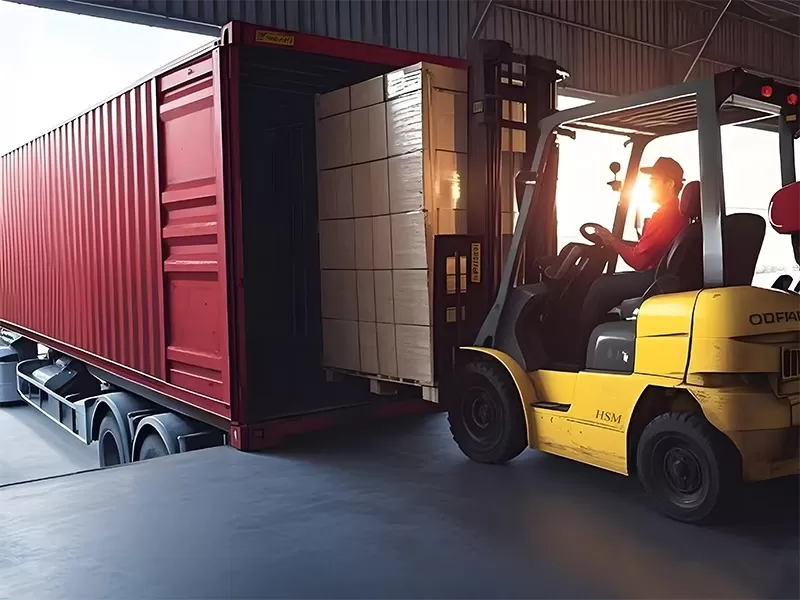
Reduce Storage by 60% with Vacuum Compression Technology for Sofas
Imagine you’ve just moved into a cozy urban apartment. The living room is a puzzle of angles, and your dream sofa — the one that defines comfort — seems impossibly large. You face a choice: sacrifice style for a smaller, less comfortable option, or wrestle with the logistics of moving and storing a full-sized sofa. But what if you didn’t have to choose?
Enter vacuum compression technology. This game-changing innovation is transforming how we think about furniture, especially sofas. With our advanced vacuum compression technology, storage and transportation volumes can be easily reduced by up to 60%. That means your beloved sofa can shrink to fit into a compact box, travel easily in a sedan, and be stored in a closet until you need it. In this article, we’ll explore the science behind this technology, its benefits, practical tips, and how it can revolutionize your living space.
Why Vacuum Compression is a Game-Changer for Sofa Owners
Sofas are the centerpieces of our living rooms. They’re also one of the bulkiest items to move and store. Traditional sofas take up massive cubic footage, making them expensive to ship, difficult to maneuver through narrow doorways, and frustrating to store in seasonal closets. Vacuum compression solves this by removing air from the sofa’s cushioning, allowing it to flatten into a fraction of its original size.
The Science of Shrinking: How It Works
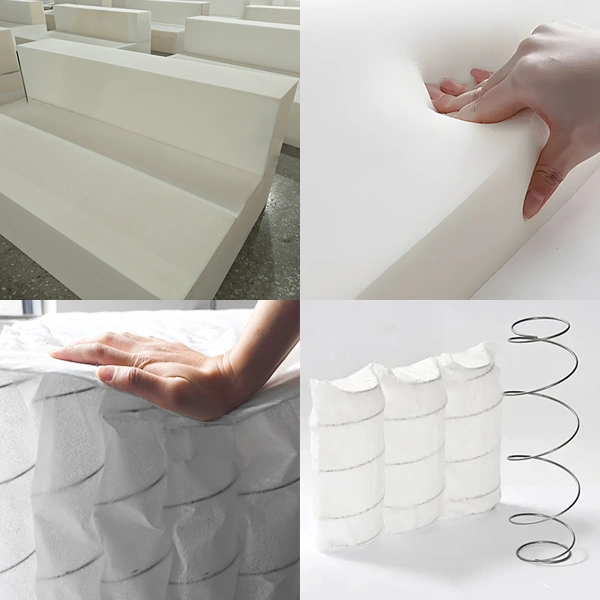
Vacuum compression technology typically uses a specialized machine or vacuum bag. The sofa — designed with flexible, resilient foam — is placed inside a heavy-duty bag. A vacuum pump removes the air, collapsing the foam structure. The result is a dense, compact slab that can be rolled or folded for easy transport. When unpacked, the sofa expands back to its full shape within minutes.
This process isn’t just for cushions; entire sofa sets can be compressed if the frame uses flexible materials like engineered wood or steel with a modular design. But the biggest volume reduction comes from the padding. Our advanced vacuum compression technology ensures that even after compression, the foam retains its memory and durability. With our advanced vacuum compression technology, storage and transportation volumes can be easily reduced by up to 60%.
Top Benefits of Vacuum-Compressed Sofas
Why should homeowners care? Let’s break down the practical advantages:
- Space-Saving Storage: Store your sofa in a small closet, under a bed, or in a corner during renovations or seasonal changes.
- Lower Shipping Costs: Reduced volume means lighter, smaller packages, saving you money on deliveries and movers.
- Easy Maneuverability: A compressed sofa can fit into an elevator, up tight staircases, and through standard doorways.
- Eco-Friendly: Fewer trucks on the road means lower carbon emissions. Plus, compressed packaging uses less material.
- Versatility: Take your sofa on a road trip? Yes, you can fit it in a hatchback or SUV.
Real-Life Applications: From Apartments to Vacation Homes
Consider Sarah, a digital nomad who moves every three months. She owns a vacuum-compressed sofa that packs into a suitcase. Or the Johnson family who stores their outdoor sofa in a shed during winter — it easily fits on a single shelf. Whether you’re downsizing, frequently moving, or just need to reclaim your living room space, this technology solves a problem you didn’t know you had.
How to Choose a Vacuum-Compressed Sofa
Not all sofas labeled “space-saving” are created equal. Here’s what to look for:
- Material Quality: Ensure the foam is high-resilience (HR) or memory foam that fully recovers after compression. Cheap foams may stay dented.
- Vacuum Bag Durability: The bag should be puncture-resistant and have a reliable valve. Look for brands that offer replacement bags.
- Frame Construction: Modular or foldable frames work best. Avoid sofas with rigid, one-piece wooden frames unless they’re designed specifically for compression.
- Weight Capacity: Compressed sofas should still support adults without sagging. Check weight ratings.
- Return Policy: Since vacuum compression is a niche product, ensure the company offers a satisfaction guarantee.
Maintenance and Care Tips
To keep your compressed sofa in prime condition:
- Always follow the manufacturer’s re-expansion instructions — usually 24-48 hours for full recovery.
- Avoid compressing the sofa more than once a month to prolong foam life.
- Store the vacuum bag in a dry, cool place to prevent moisture damage.
- If the sofa gets dusty, vacuum the fabric before re-compressing to avoid embedding dirt.
Cost Comparison: Is Vacuum Compression Worth It?
Initially, vacuum-compressed sofas may carry a slight premium (10-20% more than standard sofas) due to the specialized materials and packaging. However, the savings in shipping, storage, and logistics often outweigh the upfront cost. For example, moving a standard sofa across the country can cost $500+; a compressed sofa might ship for under $100. If you move every 2-3 years, the technology pays for itself quickly.
Environmental Impact: A Greener Choice
Traditional sofa shipping uses enormous trucks and packaging foam. Vacuum compression reduces cardboard volume by up to 40% and plastic film by 30%. Fewer delivery trips mean lower carbon footprint. Additionally, many manufacturers use recycled materials in the vacuum bags. By choosing this technology, you’re voting for a more sustainable furniture industry.
Common Myths About Vacuum-Compressed Sofas
Let’s bust some misconceptions:
- Myth: Compression ruins the sofa’s shape. Fact: High-quality foams are designed to recover fully. Many come with a warranty.
- Myth: They are only for cheap, flimsy sofas. Fact: Premium brands offer compressed models with solid wood frames and luxury upholstery.
- Myth: The vacuum bag is single-use. Fact: Most bags are reusable if stored carefully.
- Myth: They take forever to expand. Fact: Most expand to 80% within an hour; full recovery takes a day.
Step-by-Step Guide: How to Vacuum Compress Your Sofa at Home
If you already own a sofa that is compression-friendly (i.e., no rigid frame extensions), you can use a commercial vacuum bag system. Here’s how:
- Prepare the Sofa: Remove all cushions, pillows, and any detachable parts. Clean the fabric thoroughly.
- Place in Bag: Insert the sofa into the vacuum bag. Seal the opening except for the valve.
- Attach Vacuum: Use a household vacuum cleaner with a hose attachment. Connect to the valve (most bags include an adapter).
- Evacuate Air: Run the vacuum until the bag tightly wraps around the sofa. You’ll see it shrink dramatically. With our advanced vacuum compression technology, storage and transportation volumes can be easily reduced by up to 60%.
- Seal and Store: Close the valve, unplug the vacuum, and carefully roll or fold the compressed sofa. Store in a dry place.
Note: Not all sofas are safe to compress. Check the manufacturer’s guide. Vacuum compression on a sofa with glued frame joints could damage the structure. Always test on a small area first.
Future of Furniture: Vacuum Compression Trends
The furniture industry is rapidly adopting vacuum compression for more than just sofas. From mattresses to office chairs, the technology is scaling. Some innovators are even developing “self-compressing” furniture that uses internal pumps. As remote work and urban density grow, expect vacuum compression to become a standard feature in small-space living solutions.
Moreover, the logistics sector is embracing this for cost savings. Amazon and other retailers are experimenting with compressed furniture lines. Homeowners benefit from reduced waste and increased flexibility. The next decade will see even more furniture that can literally shrink for storage.
Customer Testimonials: Real Stories
“I never thought I could own a full-sized sofa in my 400 sq ft apartment. With vacuum compression, I store it in a closet during the day and pull it out for movie nights. It’s a game-changer!” — Lisa R., New York
“We moved across the country with our entire house in a single truck thanks to compression sofas. Saved over $1,200 in moving costs.” — Mark and Jen, Austin
Actionable Tips for Maximizing Your Vacuum-Compressed Sofa
- Keep the vacuum bag and pump handy for future moves or seasonal swaps.
- Use silica gel packs inside the bag to absorb any residual moisture.
- Label the compressed sofa with contents and date to avoid confusion.
- Compress only when the sofa is fully dry to prevent mold.
- If you don’t have a vacuum, some manual pumps work, but electric is faster.
Conclusion: Embrace the Space Revolution
Your sofa should be a source of comfort, not stress. With vacuum compression technology, you can enjoy a full-sized, luxurious piece of furniture without sacrificing space or mobility. Whether you’re a renter, a homeowner with small rooms, or someone who simply loves efficient design, this innovation empowers you to live better in less square footage.
Imagine pulling your sofa out of a closet for a party, or shipping it to your new home in a compact box. With our advanced vacuum compression technology, storage and transportation volumes can be easily reduced by up to 60%. It’s not just a selling point — it’s a lifestyle upgrade.
Ready to transform your space? Explore our collection of vacuum-compressed sofas and experience the difference. Your living room is about to get a whole lot bigger — even when it shrinks.
leave a reply